

[Author’s Note]
Hello fellow Filipiniana fans,
Last weekend, I watched Quezon, the epic conclusion to the Bayaniverse trilogy — twice. The first time in support of my college org Alay Ni Ignacio’s block screening. The second with Jy who really wanted to see the movie but had a conflict during the event. I’m not complaining because it’s a well-made film and I think is even better with multiple viewings. I highly recommend it, even if you see it just once.
Halina!
-Roi
[🎬Film] “Ang pagkabayani, it’s all about perception:” How Quezon brought the Bayaniverse thesis full circle
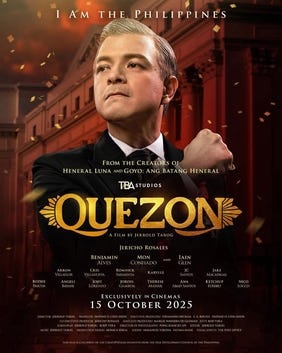
With memorable performances from the cast, compelling storytelling, and masterful direction, Quezon (2025) deserves to stand and be praised on its own. Still it’s best viewed as the final installment to the Bayaniverse trilogy. In this lens, we really see Jerrold Tarog’s thesis throughout the series: “Ang pagkabayani, it’s all about perception.”
Heneral Luna (2015) showed a hero with unrivaled passion and patriotism. John Arcilla’s Luna is a hero people wanted to rally behind and emulate. He was branded as a leader who could have saved the Philippines, if not for the infighting between the revolutionaries. Yes, he was a flawed character, but you wanted to root for him. Never mind that he never won a battle – his profound love of country made up for it. The timing of the film also couldn’t be more perfect — it was released during an intense rise in populism. The film arguably contributed to Rodrigo Duterte winning the 2016 presidential elections, but that’s another story.
Goyo: The Boy General (2018) was more subdued. There was no way to replicate Luna’s fiery personality and Arcilla’s performance as a cussing, temperamental general, so it was only natural to take another approach. Paulo Avelino gave life to the young, inexperienced boy general. In history classes, Goyo was often described as a martyr who died for his beloved country. The film portrayed his conflict – was he really loyal to his country or only to Aguinaldo? Was his sacrifice heroism or blind servitude?
Quezon depicted a trapo’s rise to power. Jericho Rosales’ Quezon showed ability to pull all the tricks in the book: propaganda, lying, self-serving alliances, politicking, patronage politics. He wasn’t the first to do them (and we know from our daily experiences now that he’s not the last), but he no doubt mastered them. Describing him as a chameleon was an understatement. Always performing and projecting what the other side wants him to be.
More importantly, Quezon brought the trilogy’s thesis full circle. The film, like the two before it, argues that heroism is not black and white. “Ang pagkabayani, it’s all about perception.”
The film within a film device effectively blurred the lines between reality and fiction. The switching between different Quezons (the old version, the young version, the fictionalized young version), the nonlinear storytelling and changing perspectives, further served to confuse the audience about objective history and revisionist recollection.
But the film’s biggest and most-rewarding bet is making Joven Hernando (the audience surrogate) an active participant to the story. By showing that he can be swayed by narratives, blinded by his own biases, be bought, but ultimately speak truth to power, the challenge is flipped back to the viewer. How should we view heroes? When we know that they “get their hands dirty” with politics; they forge convenient alliances; they stage publicity stunts; they do everything not for the greater good, but to push their own ambitions. How should we question our leaders and speak truth to power when we can also benefit from them if only we played our cards right?
Looking at the trilogy as a whole, it is clear that our heroes, despite their contributions to the nation, are flawed individuals. Despite their larger-than-life personas, they are just people too. Like us. The whole time we were focused on the titular characters, on supposed saviors we have preconceived perceptions on. But this conclusion just reminded us we ought to look at ourselves and our relationship with these heroes too.
See our related posts on this topic on our socials (Instagram, TikTok).
[Bonus stuff nobody asked for]
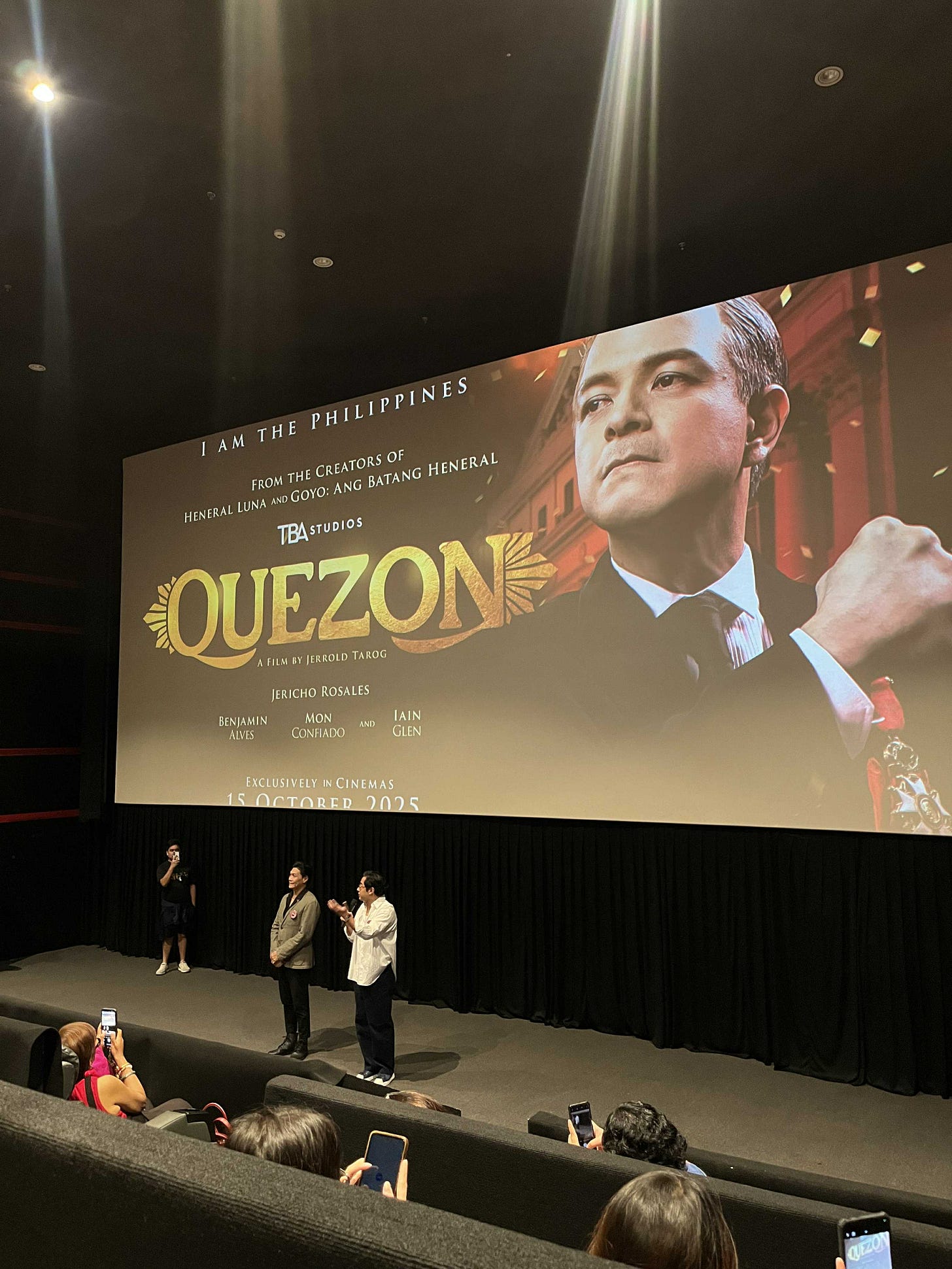
Alay Ni Ignacio’s Block Screening on Saturday, with a surprise appearance from Mon Confiado (Emilio Aguinaldo) and Benjamin Alves (young Manuel Quezon).
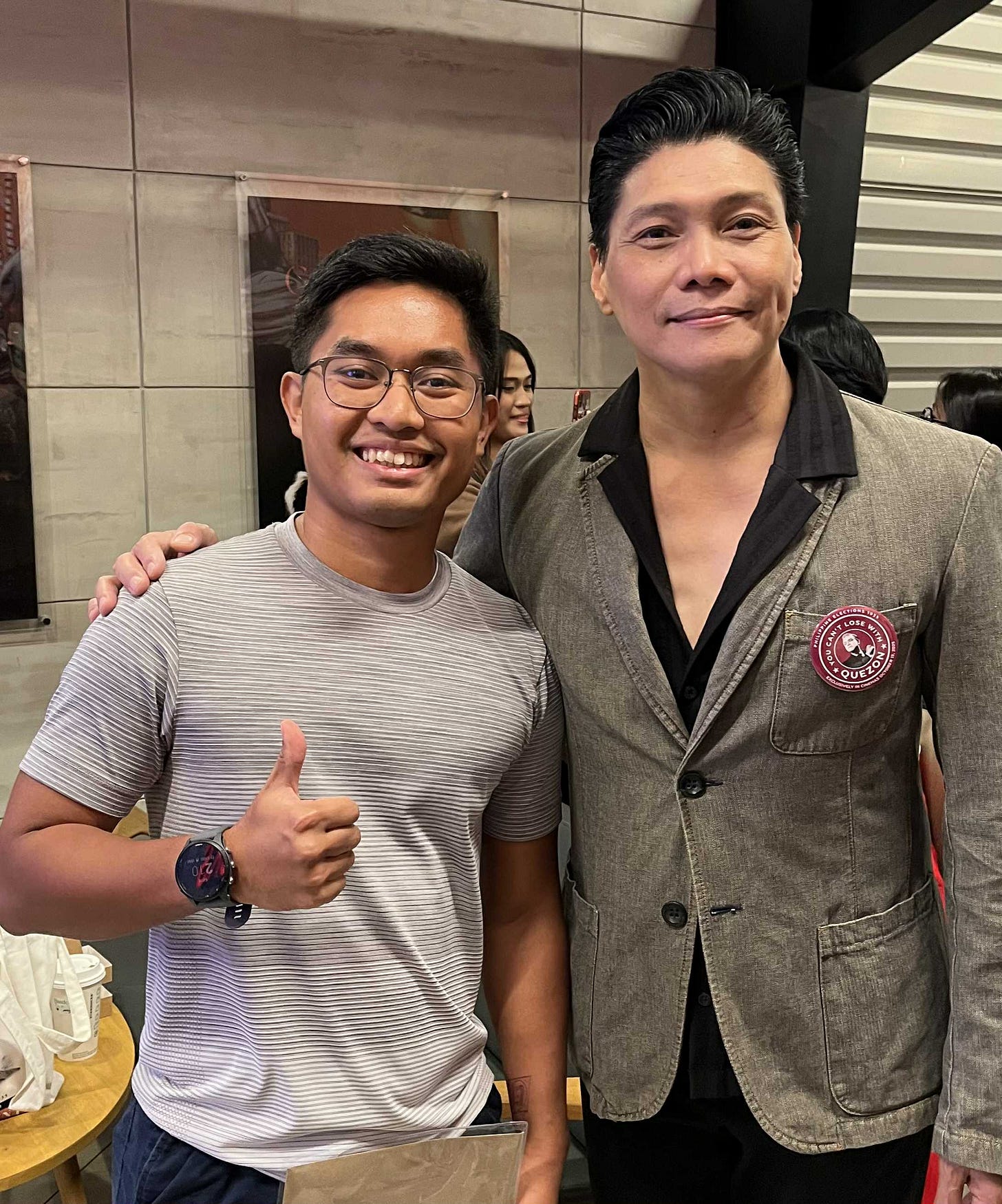
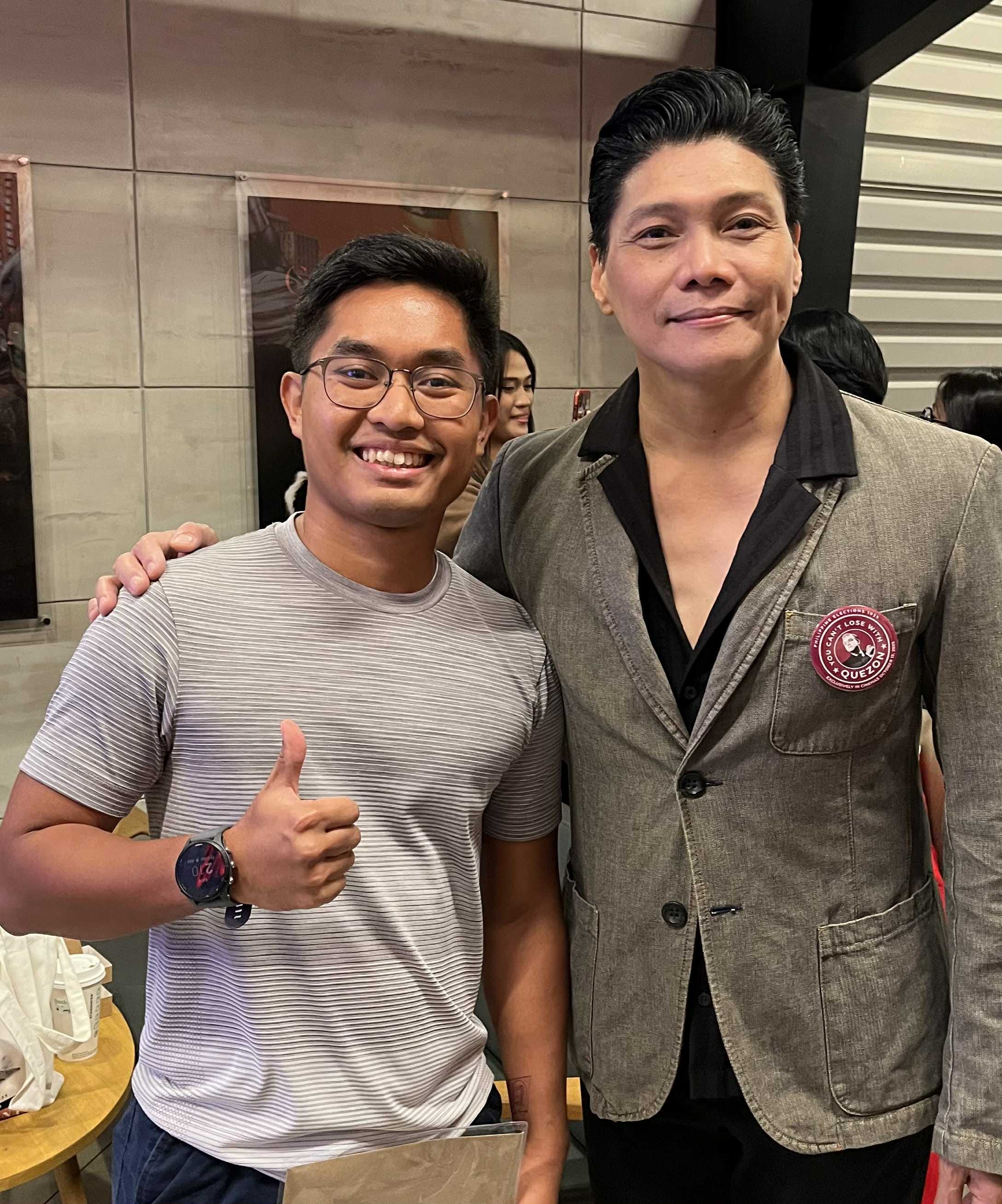
Picture with Mon Confiado, the unsung hero of the trilogy. I still wish he had his own movie. It’s always a joy to watch his performances. (I didn’t get to take a pic with Benjamin Alves. Would have been nice to congratulate both of them.)
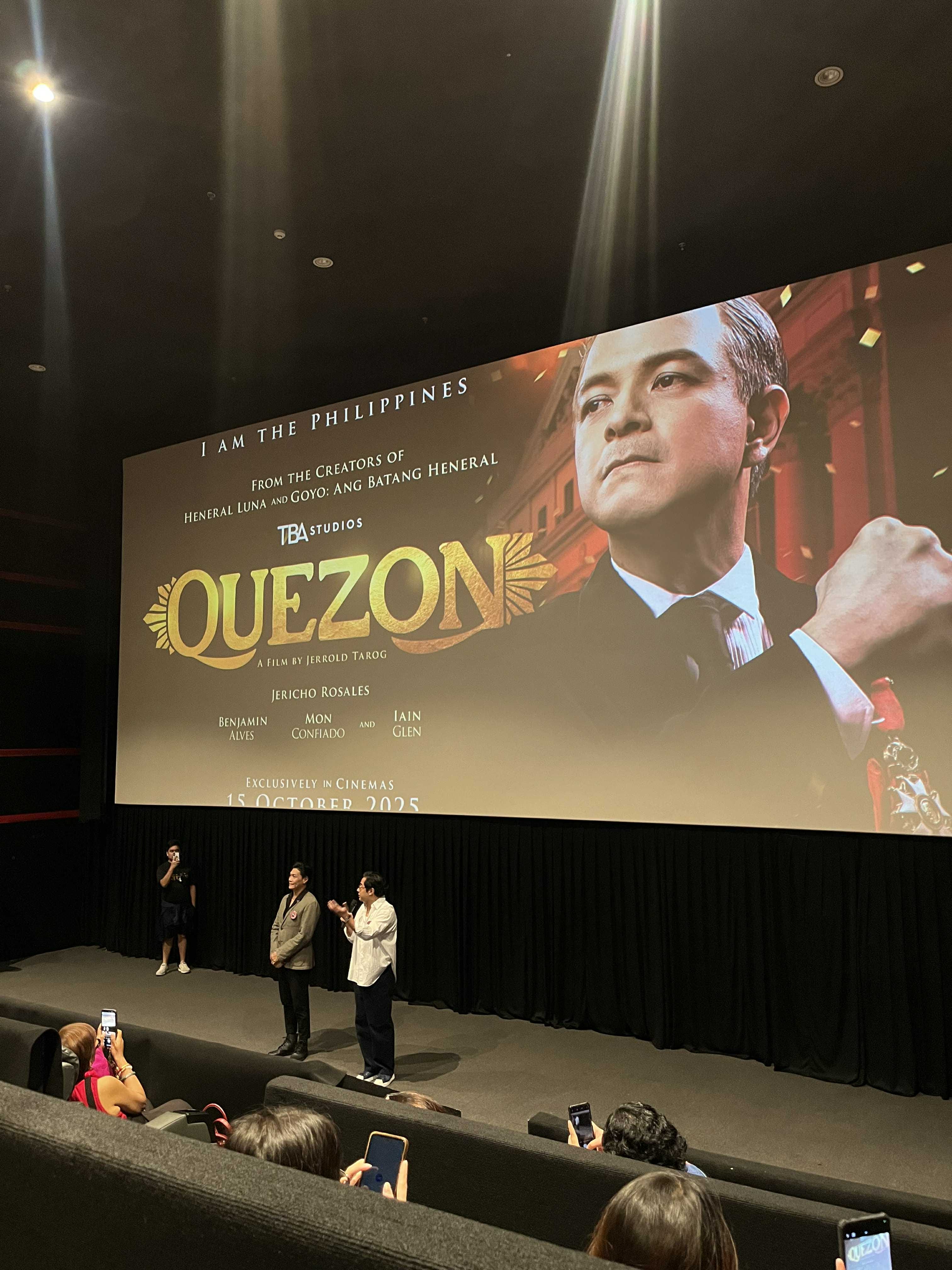
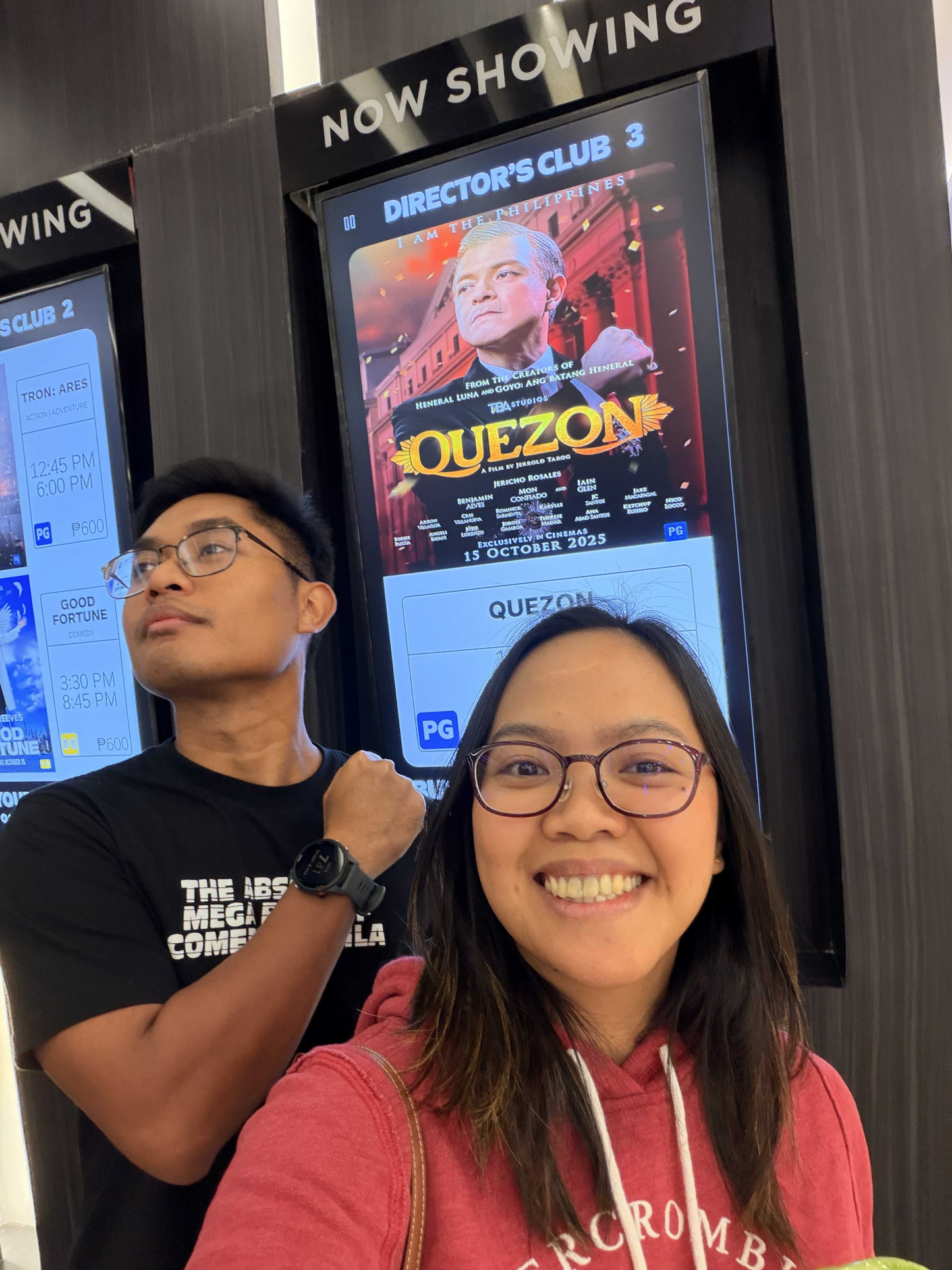
Watched the movie again with Jy on Sunday. They say no man watches the same film twice, for he is not the same man and it’s not the same film. It’s actually the same film — especially if you just watched it the day before — but the first watch doesn’t count anyway if your girlfriend wants to watch it with you regardless.
In partnership with Host Fria (IG, Tiktok)

Weddings, Corporate Events, Birthdays, kahit Gender Reveal Celebration pa yan, Host Fria can bring the most out of any event.
Host with the MOST!! Host Fria!
Author’s note: we’re grateful to Host Fria for partnering with us to deliver this newsletter to your inbox. With Christmas party season right around the corner, it might serve you well signing up an events host now. Please do check out his IG and TikTok pages if you are looking for a dynamic host for your events. Feel free to let him know you learned about him from Halina Filipiniana — he just might give you a discount ;)